


If you’ve ever searched “where can I find a good web designer?” you’ve probably been overwhelmed with endless options. Google, Instagram, Facebook groups, freelance marketplaces, referrals, agencies… the list goes on.
The truth is, finding a web designer isn’t the hard part.
Finding the right web designer is.
As a professional web designer, I’ve seen firsthand that the best website projects don’t happen because someone had the fanciest portfolio or the lowest price. They happen because the designer and the client are a great fit, communicate well, and have a clear strategy from the very beginning.
If I were helping my best friend hire a web designer today, here’s exactly what I would tell her.
Start With Google, Not Just Social Media
The first place I would recommend looking is Google.
Why?
Because a designer who has invested in their own website and SEO is already demonstrating that they understand how important an online presence is. If they can’t market their own business well, it’s worth asking how they’ll help market yours.
I also recommend looking on Instagram. While Google gives you a professional overview of their business, Instagram gives you a behind-the-scenes look at who they are.
You’ll often learn things like:
- Their design style
- How consistently they show up
- Their personality
- Their client interactions
- Recent projects
- Client testimonials
A website tells you what they do.
Social media often tells you who they are.
Don’t Hire the First Designer You Find
One of the biggest mistakes I see business owners make is hiring someone without doing enough research. A website is a major investment. You wouldn’t hire an employee after looking at one photo of them online. Treat hiring a web designer the same way.
Before you invest, look through their:
- Portfolio
- Case studies
- Reviews
- Website
- Social media
- Process
I always encourage business owners to ask themselves one question:
“Can I actually picture myself working with this person for the next several weeks?”
Because your designer isn’t just creating graphics. They’re guiding one of the biggest marketing assets in your business.
Look for Designers Who Have Proof, Not Just Pretty Graphics
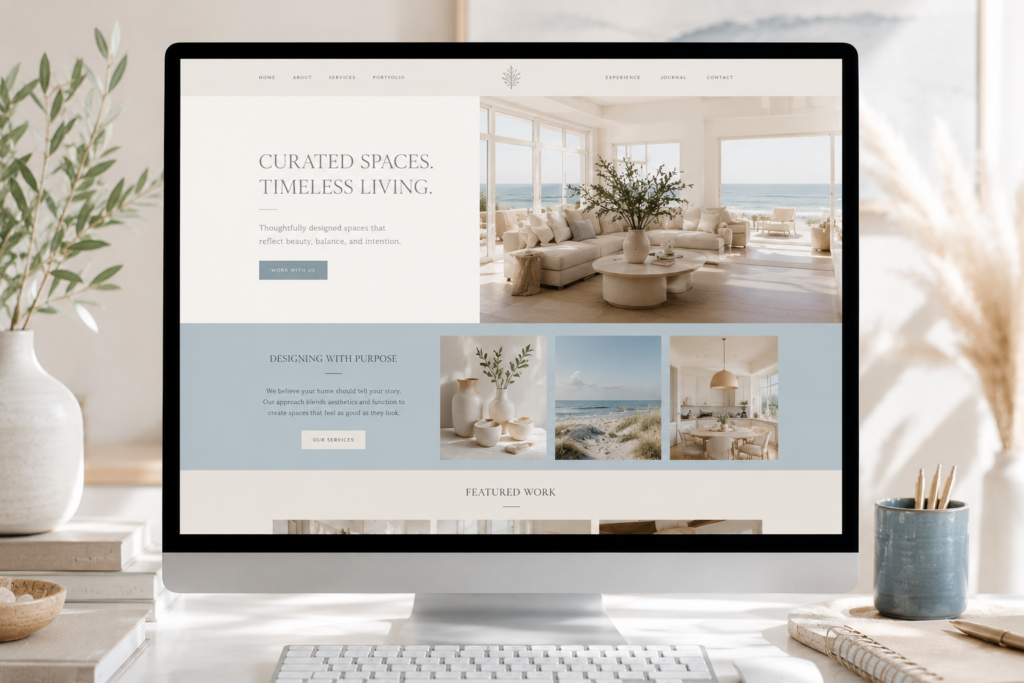
Anyone can create a beautiful homepage. That doesn’t necessarily mean they know how to build a strategic website. When I evaluate another designer, these are the biggest green flags I look for.
Green Flag #1: Real Case Studies
Case studies show more than finished designs. They explain the client’s goals, the strategy behind the project, and the transformation that happened along the way. That’s much more valuable than simply posting screenshots. This is why I always recommend reviewing a designer’s portfolio before making a decision.
Green Flag #2: Genuine Client Reviews
Reviews help you understand what working with someone is actually like.
Were they responsive?
Did they communicate well?
Did they meet deadlines?
Did they make the process enjoyable?
Those are the kinds of things beautiful mockups can’t tell you.
Green Flag #3: Their Own Brand Looks Professional
This might sound obvious, but I always pay attention to how a designer presents their own business.
Is their website polished?
Is their branding cohesive?
Are they investing in themselves?
If they’re taking their own business seriously, chances are they’ll take yours seriously too.
Red Flags That Would Make Me Keep Looking
Not every designer is the right fit, and that’s okay. Here are a few things that would make me continue my search.
A Sloppy Website
A designer’s website should reflect the quality of work they provide. If their own website feels outdated, confusing, or unfinished, that’s something I would pay attention to.
Very Little Social Proof
No reviews.
No testimonials.
No client projects.
No real examples.
That doesn’t automatically mean they’re a bad designer, but it does mean you’ll have much less confidence before investing.
Their Style Doesn’t Match Your Vision
This is a big one. Every designer has their own creative style. Some specialize in bold, modern brands. Others create soft, feminine websites. Some focus on luxury businesses. Others work with tech startups. None of these are wrong. But if you love elegant, editorial websites and the designer mainly creates colorful, playful brands, you may not end up loving the final result.
Choose someone whose work already makes you think, “Yes…that’s exactly how I want my business to feel.”
Poor Communication
This one is often overlooked. If someone takes weeks to answer simple questions before you’ve even become a client, it’s worth paying attention. Your website project involves collaboration. Good communication matters just as much as good design.
A Great Website Project Is a Partnership
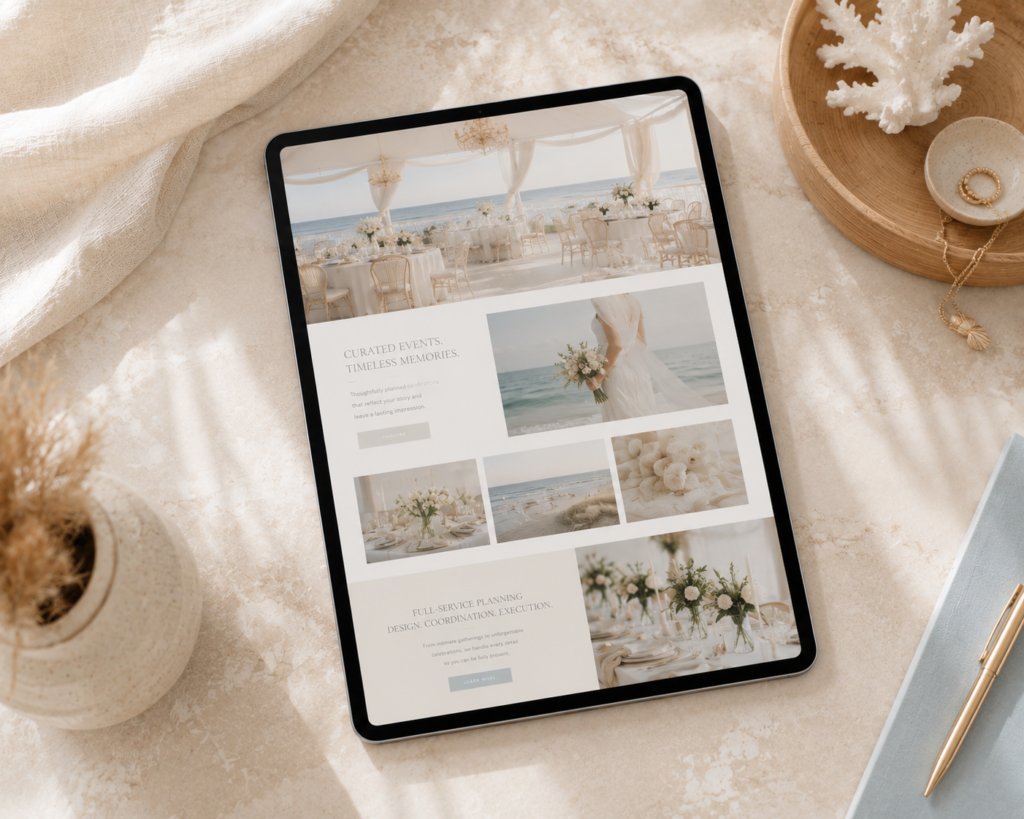
One of my favorite projects was working with a wedding planner named Monica. She came to me through a referral, which is how many of my early clients found me. From the very beginning, everything flowed naturally. She communicated quickly. She stayed on top of every task. Whenever I needed feedback or content, she responded promptly. Because we were both committed to the process, we were able to launch her website within a week. That experience reinforced something I’ve learned over the years. The best website projects happen when both the client and the designer show up ready to work together.
It’s truly a partnership.
A Good Designer Leads the Process
Although I haven’t personally had many clients come to me after bad experiences with other designers, I’ve seen enough stories to recognize a common pattern.
Many people don’t actually need a better designer. They need a better process. A good designer should guide you through every step.
That includes:
- Setting clear expectations
- Establishing timelines
- Explaining the revision process
- Keeping communication organized
- Helping you stay on track
Without guidance, website projects can drag on for months. With the right process, they become exciting instead of overwhelming. As a designer, I believe my job isn’t simply to make things look beautiful. It’s to create an experience that feels organized, collaborative, and enjoyable from start to finish.
Your Website Is the Window Into Your Business
This is probably the biggest piece of advice I would give anyone considering hiring a web designer.
Your website is the window into your business. Before someone works with you…
Before they inquire… Before they schedule a call… They’re forming opinions.
People may not consciously notice your typography, spacing, brand consistency, or layout. But they absolutely notice how your website makes them feel.
Does it feel trustworthy?
Professional?
High-end?
Strategic?
Or does it feel rushed, confusing, and inconsistent?
Those feelings influence buying decisions more than most people realize. As your business grows, your website should grow with it.
The DIY website that helped you get started may not be the website that helps you attract premium clients. If you’re charging premium prices, your online presence should reflect that same level of professionalism.
Remember, Your Website Is an Asset You Own
One of the reasons I encourage every business owner to invest in a website is because it’s something you own.
Social media platforms change. Algorithms change. Accounts can disappear.
But your website is your own space on the internet. It’s where you collect inquiries. It’s where you grow your email list. It’s where people learn about your business.
It’s where SEO and emerging AI search optimization can continue bringing qualified visitors long after you hit publish.
That’s why I see a website as far more than a marketing expense. It’s a long-term business asset.
Final Thoughts
If you’re wondering where to find a good web designer, my advice is simple. Start with Google. Look at their website. Check out their Instagram. Read their reviews. Study their case studies.
Most importantly, choose someone whose communication style, personality, and design approach align with your vision. The right designer won’t just create a beautiful website. They’ll create a strategic online presence that helps your business grow for years to come.
If you’re looking for custom website design services that combine thoughtful strategy, cohesive branding, and a collaborative client experience, I’d love to help you create a website that reflects the level your business has grown into.


COMMENTS